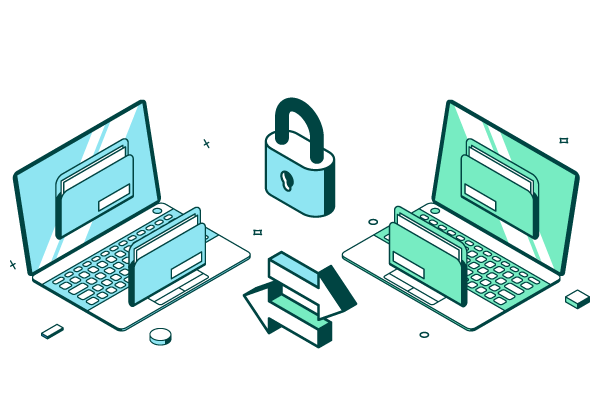
Understanding Data Transfer: Why It's Crucial for Your Digital Experience
In today's digital landscape, data transfer is a foundational element that underpins every interaction you have online. Whether you're streaming a video, downloading a file, or navigating a website, the efficiency and speed of data transfer can significantly influence your overall experience. High-quality data transfer not only ensures that information is exchanged swiftly but also affects how users perceive the reliability and usability of digital platforms. Understanding how data transfer works can help you appreciate the technical backbone of your digital activities and its impact on user engagement and satisfaction.
Furthermore, the importance of data transfer becomes even more apparent in an age where vast amounts of information are generated and consumed daily. Inefficient data transfer can lead to slow loading times, buffering issues, and ultimately, user frustration. To enhance your digital experience, consider exploring optimization strategies like utilizing Content Delivery Networks (CDNs) or compressing files for faster access. By prioritizing effective data transfer methods, you not only improve your own online activities but also contribute to a smoother and more enjoyable experience for others.
Counter-Strike is a popular multiplayer first-person shooter game that has captivated gamers for years. It involves team-based gameplay where players can take on the roles of terrorists or counter-terrorists, completing objectives such as bomb defusal or hostage rescue. For those looking to enhance their gaming experience, consider checking out the Top 10 external ssds for mac to improve load times and performance.
The Anatomy of Data Transfer: How It Powers Your Online Activities
The Anatomy of Data Transfer is a fundamental concept that underpins our online activities, enabling seamless communication between devices and applications. At its core, data transfer involves the movement of information from one point to another, facilitated by various protocols and transmission mediums. This intricate process is essential for everything from sending emails and streaming videos to engaging with social media platforms. Understanding how data is transmitted helps users appreciate the speed and efficiency that modern technology provides, transforming the way we interact with information every day.
In essence, the process of data transfer can be broken down into several key components: data packets, protocols, and channels. Data packets are the units of information that are packaged and sent over the internet, while protocols like TCP/IP govern how these packets are formatted and transmitted. Finally, the physical channels, whether they are fiber optic cables, Wi-Fi signals, or satellite connections, serve as the highways for data transmission. Collectively, these elements create a robust infrastructure that powers our online activities, allowing for quick and efficient access to the wealth of knowledge available at our fingertips.
Common Questions About Data Transfer: What You Need to Know for Seamless Connectivity
Data transfer is an essential aspect of modern connectivity, and understanding its nuances can significantly enhance your online experience. Many users have common questions regarding the data transfer process. For instance, what types of data transfer methods are available? Generally, the methods can be categorized into wireless and wired options. Wireless transfers often utilize Wi-Fi or Bluetooth, while wired transfers typically involve USB or Ethernet connections. Additionally, understanding protocols such as FTP, HTTP, and others can help clarify how data is transmitted across the internet.
Another common inquiry revolves around the speed and security of data transfers. Factors affecting the speed of data transfer include bandwidth, network congestion, and the distance between devices. To ensure secure transfers, it's crucial to use encrypted protocols and secure connection methods, especially when dealing with sensitive information. Users should consider implementing tools like VPNs and firewalls to further protect their data during transit. By being informed about these aspects, you can achieve seamless connectivity and ensure your data is transferred efficiently and securely.