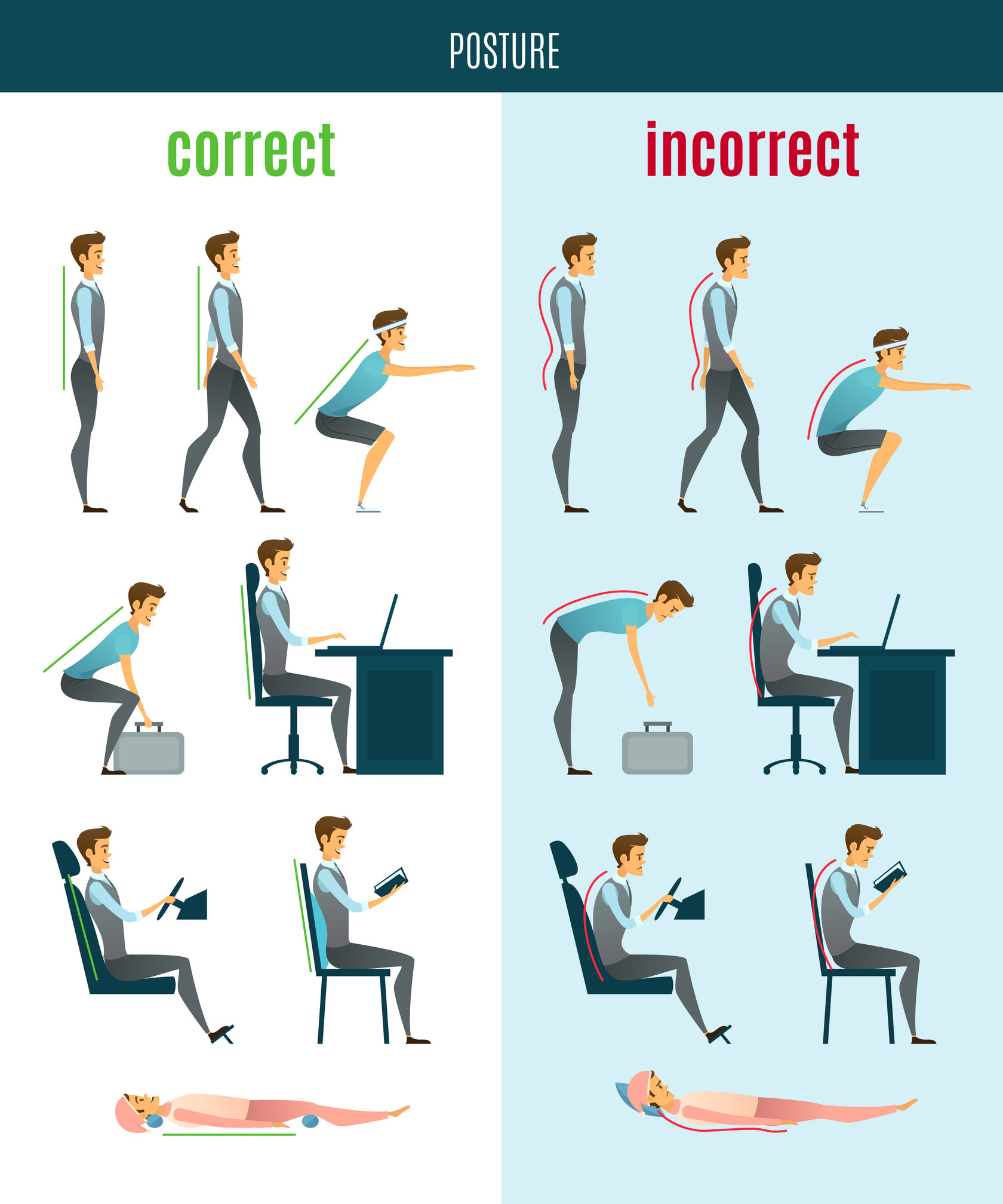
5 Essential Ergonomic Tips for a Healthier Workspace
Creating a healthier workspace is crucial for improving productivity and reducing the risk of injury. Here are 5 essential ergonomic tips that can transform your work environment:
- Adjust Your Chair: Ensure that your chair is adjustable and supports your lower back. Your feet should rest flat on the floor, with your knees at a 90-degree angle.
- Monitor Height: Position your computer monitor at eye level to prevent neck strain. The top of the screen should be at or slightly below eye level to encourage a natural posture.
In addition to chair and monitor adjustments, consider these further ergonomic practices:
- Keyboard and Mouse Placement: Keep your keyboard and mouse close enough to allow your elbows to stay at your sides. Your wrists should be in a neutral position to prevent strain.
- Take Regular Breaks: Every hour, stand up, stretch, or walk around for a few minutes. This practice helps to relieve muscle tension and refresh your mind.
- Organize Your Desk: Keep frequently used items within easy reach to minimize excessive stretching and twisting. A clutter-free desk can also boost your focus and efficiency.
Counter-Strike is a popular multiplayer first-person shooter game that pits teams of terrorists against counter-terrorists in various objective-based scenarios. Its competitive gameplay and team strategy elements have made it a staple in the esports community. Furthermore, players who spend long hours gaming might experience eye strain, making it essential to consider Top 10 Phone Accessories for Eye Strain to protect their vision while enjoying the intense action of Counter-Strike.
The Ultimate Guide to Ergonomic Furniture: What You Need to Know
When it comes to creating a comfortable and productive workspace, ergonomic furniture plays a crucial role. Ergonomic furniture is designed to support your body, reduce strain, and promote good posture, which can lead to increased productivity and overall well-being. To truly understand the benefits, consider the following features of ergonomic setups:
- Adjustability: Furniture that can be customized to fit your height and body type.
- Support: Chairs and desks that provide adequate support for your back and limbs.
- Accessibility: Items that are within arm's reach to prevent unnecessary stretching or straining.
Investing in ergonomic furniture is not just a trend; it's a necessity for anyone who spends considerable time at a desk. To make an informed decision, research the best brands and products available on the market. Read reviews and testimonials from other users to gauge their effectiveness and comfort. Additionally, consider the long-term health benefits that come with using ergonomic products, such as reduced risk of musculoskeletal disorders and enhanced focus. Remember, a well-designed workspace can significantly improve your quality of life.
How to Assess Your Workspace for Ergonomic Improvements
Assessing your workspace for ergonomic improvements is essential for enhancing comfort and productivity. Begin by evaluating your chair; it should provide lumbar support and allow your feet to rest flat on the ground. Next, ensure that your desk height is appropriate, with your elbows forming a 90-degree angle when typing. Consider using a monitor stand to align your screen at eye level, which will help reduce strain on your neck and eyes. Additionally, pay attention to the placement of your keyboard and mouse, aiming to keep them close enough to avoid overreaching.
Once you have made these basic adjustments, take a moment to assess your overall workspace layout. An organized space can greatly impact your ability to work efficiently, so consider implementing the following ergonomic tips:
- Utilize document holders to keep papers at eye level,
- Incorporate a footrest to promote proper posture,
- Regularly take breaks to stretch and reset your posture.