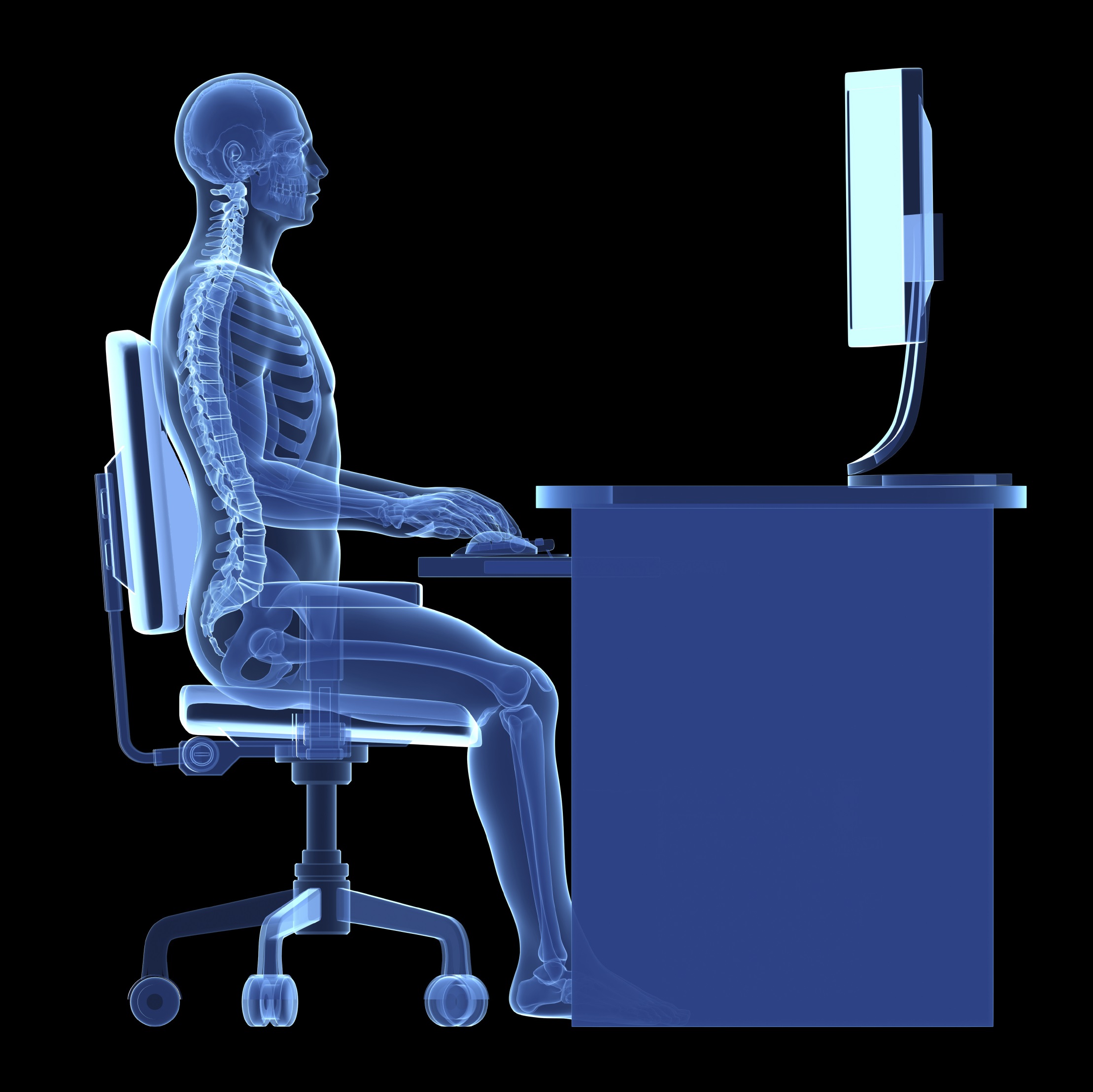
Understanding Ergonomics: How the Right Workspace Design Enhances Office Happiness
Understanding Ergonomics is essential for creating a workspace that fosters both productivity and happiness. The right workspace design accounts for the natural movements of the human body, ensuring that every tool and piece of furniture contributes to a comfortable and effective working environment. This design not only involves the arrangement of desks and chairs but also extends to the selection of equipment, such as monitors and keyboards. Research has consistently shown that a well-designed workspace can reduce the risk of musculoskeletal disorders, enhance concentration, and ultimately improve job satisfaction. By prioritizing ergonomic principles, employers can cultivate an atmosphere where employees feel valued and supported.
The benefits of a thoughtfully designed workspace extend beyond physical health; they play a pivotal role in office happiness. A comfortable chair, an adjustable desk, and adequate lighting can significantly influence an employee's mood and productivity levels. For instance, incorporating elements such as standing desks or specialized chairs allows individuals to choose their preferred working style, catering to diverse needs. Furthermore, adding personal touches like plants or artwork can create an inviting atmosphere, promoting creativity and collaboration. Investing in ergonomic design is not just about compliance with health standards; it's about fostering a culture that prioritizes well-being and ensures employees thrive both physically and mentally.
Counter-Strike is a highly competitive first-person shooter that has captivated gamers worldwide since its release. Players are divided into two teams, terrorists and counter-terrorists, each with specific objectives. For those looking to enhance their gaming experience, having the right gear is crucial, including items from the Top 10 Desk Accessories for Productivity.
The Top 5 Ergonomic Tips for Creating a Comfortable Work Environment
Creating a comfortable work environment is essential for enhancing productivity and reducing the risk of injury. Here are the top 5 ergonomic tips to help you design an optimal workspace:
- Invest in an Ergonomic Chair: A chair that supports your lower back and allows you to adjust the height will significantly improve your posture.
- Adjust Your Desk Height: Your desk should be at a height where your elbows are at a 90-degree angle when typing. This minimizes strain on your wrists.
- Position Your Monitor Correctly: Place your monitor at eye level, about an arm's length away. This keeps your neck in a neutral position and prevents eye strain.
- Take Regular Breaks: Schedule short breaks every hour to stretch and move around. This will reduce fatigue and improve circulation.
- Edit Your Lighting: Ensure your workspace has adequate lighting to reduce glare on your screen and prevent eye discomfort.
By implementing these ergonomic tips, you can create a workspace that not only feels comfortable but also fosters better focus and efficiency. Remember, investing in your comfort is crucial for long-term health and productivity.
Is Your Office Setup Affecting Your Mood? Discover the Link Between Ergonomics and Happiness
The relationship between your office setup and your mood may seem indirect at first, but a closer examination reveals a significant connection. Poor ergonomics can lead not only to physical discomfort but also to mental strain. For instance, when your chair isn’t properly adjusted or your computer screen is at eye level, you’re more likely to experience fatigue, frustration, and even anxiety. Research has shown that an ergonomically sound workspace can enhance productivity and boost overall happiness. By prioritizing ergonomics, you can create an environment that supports both your body and mind.
Moreover, investing time in optimizing your office setup can yield impressive benefits. Consider the following strategies to improve your workspace and elevate your mood:
- Adjust your chair to ensure proper lumbar support.
- Position your monitor at eye level to reduce strain on your neck.
- Incorporate plants or personal touches to make your space feel more inviting.
- Take breaks to stretch and move around throughout the day.
By making these simple changes, you can create a workspace that not only promotes productivity but also happiness.