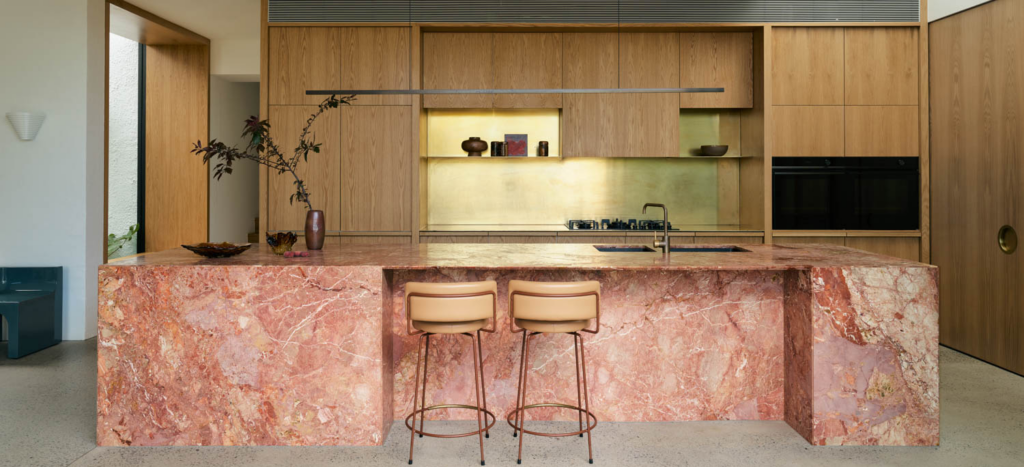
10 Unexpected Ways to Use Color in Interior Design
Color is a powerful tool in interior design, and using it in unexpected ways can transform your space. One surprising method is incorporating color through your ceiling. Often overlooked, a vibrant ceiling can add a unique element of surprise, drawing the eye upward and making the room feel more expansive. Alternatively, consider painting the inside of shelves or cabinets in bold hues to create a dynamic contrast when they are open. This unexpected splash of color can infuse personality into your home.
Another innovative approach is utilizing color in textiles and accessories. Instead of traditional accent pillows, opt for bold, patterned throws or rugs that act as focal points in otherwise neutral spaces. Use vibrant area rugs to delineate different areas within an open floor plan, helping to create cozy, defined spaces. Additionally, don't shy away from colorful artwork or wall decor. A large, colorful painting can serve not only as a statement piece but also as a central theme that guides your color palette throughout the room.
Counter-Strike is a popular first-person shooter game that has garnered a massive following since its release. Players can choose to play as terrorists or counter-terrorists, engaging in competitive rounds that require strategy, teamwork, and skill. The game has evolved over the years, with various iterations, including the latest version, Counter-Strike: Global Offensive. If you're looking for an exciting environment to enhance your gaming setup, check out the Top 10 homepod stands to elevate your audio experience while playing.
How to Create Functional Spaces with Unique Design Elements
Creating functional spaces with unique design elements requires a thoughtful approach that balances both aesthetics and practicality. Start by assessing the main function of the space and how you envision its use. Incorporate unique design elements such as statement furniture pieces, art installations, or vibrant color palettes that not only enhance the visual appeal but also serve a purpose. For example, consider using a vintage trunk as a coffee table that provides both storage and style, or a bold area rug that defines a conversation zone while adding warmth to the room.
Next, focus on maximizing functional spaces through innovative layouts and multi-purpose items. To create truly distinct areas, utilize a mix of design elements that can adapt over time. Install shelving units that allow for both display and organization, or select modular furniture that can be rearranged to fit different needs. Additionally, consider integrating natural elements—like houseplants or natural light—into your design to enhance the overall ambiance. These choices not only make the space more livable but also ensure it remains inviting and aesthetically pleasing.
What Are the Key Principles of Transformative Interior Design?
Transformative Interior Design is rooted in several key principles that collectively enhance the functionality, aesthetics, and emotional impact of a space. The first principle is space optimization, which ensures that every square foot serves a purpose. Designers often employ techniques such as open layouts, multifunctional furniture, and thoughtful zoning to create an environment that feels spacious and inviting. Additionally, the use of color psychology plays a pivotal role in influencing our mood and behavior. By strategically selecting color palettes, designers can evoke feelings of calm, creativity, or energy, making the space more aligned with its intended function.
Another essential principle is the integration of sustainability in design choices. Eco-friendly materials and energy-efficient solutions not only contribute to a healthier planet but also offer long-term cost savings. Furthermore, incorporating elements of biophilic design, such as natural light, indoor plants, and organic textures, fosters a connection to nature, enhancing the overall ambiance and well-being of occupants. Lastly, it’s crucial to prioritize user-centered design, where the needs and preferences of the users dictate the overall aesthetic and functionality of the space. This holistic approach ensures that transformative interior design is not just visually appealing but also profoundly impactful on the lives of those who inhabit it.