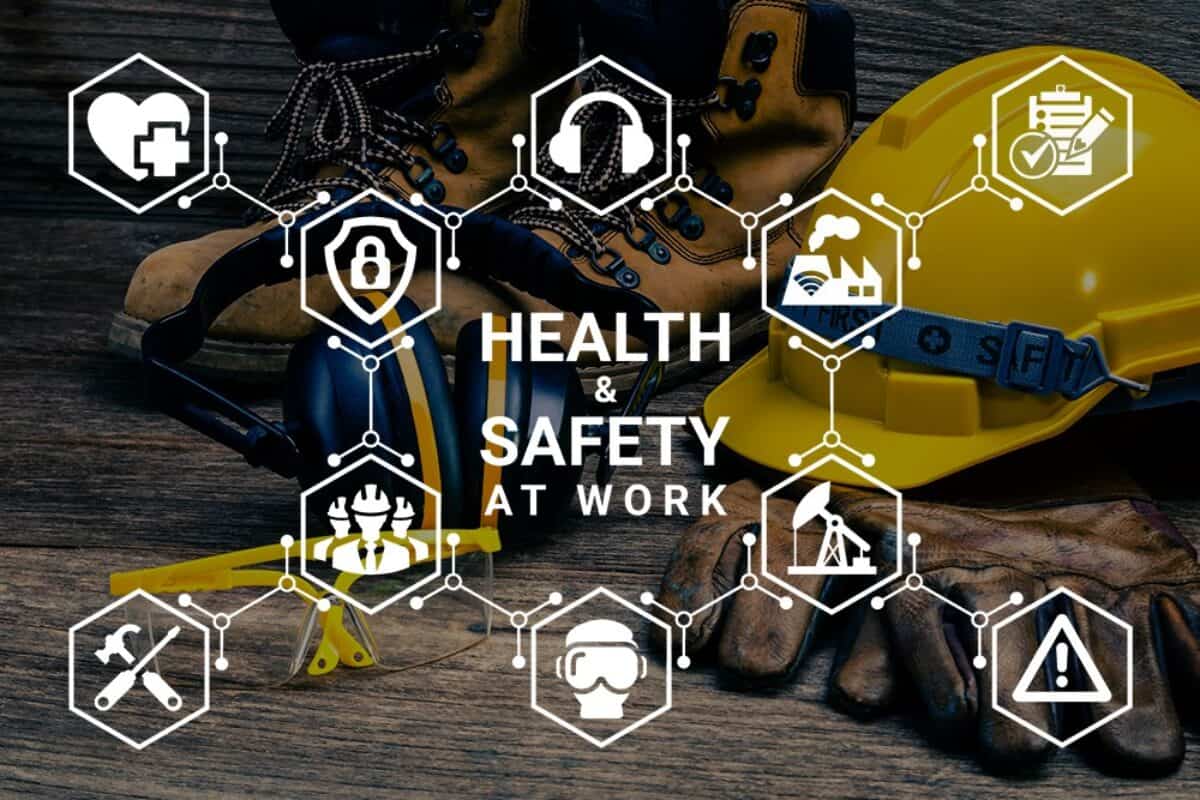
Top 10 Safety Tips for Adventurers: Stay Secure While Exploring
When embarking on an adventure, prioritizing safety is essential for a successful experience. Here are the top 10 safety tips for adventurers that will help you stay secure while exploring:
- Plan Ahead: Research your destination thoroughly, and create a detailed itinerary that includes emergency contacts, local laws, and cultural norms.
- Tell Someone: Always inform a friend or family member about your plans and expected return time, ensuring someone knows your whereabouts.
- Pack Smart: Carry essential safety gear, including a first aid kit, map, compass, and tools for communication.
- Stay Aware: Maintain situational awareness by being alert to your surroundings and trusting your instincts.
As you engage in your thrilling adventure, remember that preparation is key to staying safe. Here are a few more safety tips for adventurers to keep in mind:
- Stay Hydrated and Nourished: Carry enough water and food to keep your energy levels up during your endeavors.
- Know Your Limits: Whether it’s hiking, climbing, or any other adventure, understand your physical limits and don’t push beyond them.
- Practice Environmental Responsibility: Respect nature and local ecosystems by adhering to the Leave No Trace principles.
- Emergency Preparedness: Familiarize yourself with basic survival skills and have a contingency plan in case things go awry.
Counter-Strike is a highly popular tactical first-person shooter game that emphasizes team-based gameplay. Players can choose to play as terrorists or counter-terrorists, engaging in various objectives such as bomb defusal or hostage rescue. The game has maintained a massive following due to its competitive nature and regular updates. For gamers who enjoy playing on the go, having the right gear is essential. Check out these Top 10 Travel Accessories for AirPods to enhance your gaming experience while traveling.
How to Choose the Right Safety Gear for Your Next Adventure
Choosing the right safety gear for your next adventure is crucial to ensuring both your enjoyment and protection. Start by assessing the type of activity you will be engaging in. For instance, if you're planning a hiking trip, consider investing in durable footwear and protective clothing. On the other hand, if you're heading out for a cycling adventure, a quality helmet and padded shorts are essential. Always prioritize equipment that is specifically designed for the sport or activity to maximize safety and comfort.
Once you've determined the necessary equipment, it’s time to evaluate the different options available. Look for products that meet safety standards and have positive reviews from fellow adventurers. Don't hesitate to ask for recommendations or consult online forums. Furthermore, consider factors like fit, breathability, and weight to ensure that the gear enhances your experience rather than hinders it. By carefully selecting your safety gear, you can embark on your adventure with confidence and peace of mind.
Adventure Safely: What to Do in Case of an Accident
When embarking on any adventure, it's essential to be prepared for the unexpected. Accidents can happen, whether you're hiking in the mountains, biking through trails, or exploring new terrains. To ensure your safety and the safety of others, adventure safely by following these crucial steps:
- Stay calm: Take a deep breath and assess the situation before taking any action.
- Check for injuries: If someone is injured, provide first aid if you are able to and call for professional help if necessary.
- Document the incident: Take note of the time, location, and any details regarding the accident for reporting purposes.
After addressing immediate safety concerns, it’s important to report the accident. For minor accidents, you may need to file a report with local authorities or park rangers. In cases of significant injuries or property damage, contact emergency services immediately. Always remember that adventure safely includes understanding local laws and procedures regarding accidents. In addition, going forward, consider:
- Reviewing your safety gear and ensuring it’s in good condition
- Taking a wilderness first-aid course to better prepare for future adventures
- Sharing your experiences and knowledge with fellow adventurers to help them stay safe as well