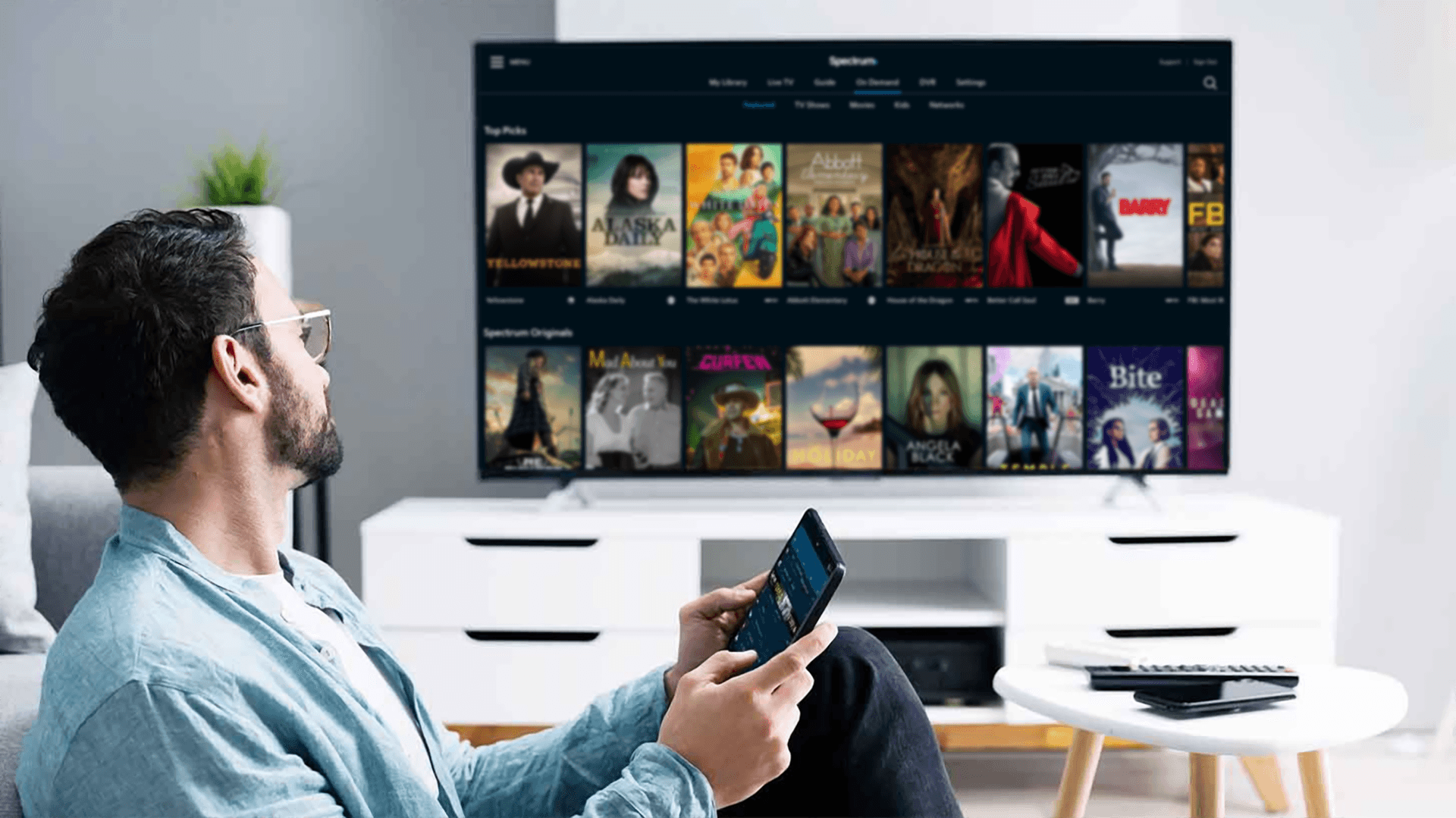
The Evolution of Streaming: How It Became a Dominant Force in Home Entertainment
The evolution of streaming has drastically transformed the landscape of home entertainment over the past two decades. Initially, the concept of streaming was met with skepticism, as traditional methods like cable television dominated the market. However, with the rise of high-speed internet and advancements in technology, streaming services began to emerge. Companies like Netflix, Hulu, and later, Disney+ revolutionized how audiences consumed media, offering on-demand access to a vast library of content. This shift not only catered to changing consumer preferences but also introduced a new era of binge-watching, where entire seasons of shows could be devoured in a single weekend.
As smartphone and smart TV technology advanced, streaming became more accessible and convenient, leading to its rise as a dominant force in entertainment. The significant shift in consumer behavior can be attributed to the flexibility that streaming provides, allowing users to watch their favorite shows and movies anytime, anywhere. In addition to convenience, the competitive landscape has spurred innovation, resulting in original content production that has captivated audiences worldwide. With subscription-based models and ad-supported tiers, streaming services cater to a diverse range of preferences, solidifying their place as the preferred choice in home entertainment for millions.
Counter-Strike is a popular first-person shooter game that has captivated players since its release. It features team-based gameplay, where players can choose to play as either terrorists or counter-terrorists, each with unique objectives. For those looking to enhance their gaming setup, check out the Top 10 Portable Lighting Options for Content Creators, which can help improve your streaming and video creation experience.
Top Streaming Services Compared: Which One is Right for You?
In today's digital age, choosing the right streaming service can be a daunting task. With a plethora of options available, such as Netflix, Amazon Prime Video, and Disney+, it's essential to understand what each platform offers to determine which one is suitable for your viewing habits. For instance, if you're a fan of blockbuster movies and beloved franchises, Disney+ might be your best bet, boasting a vast library of classic films, Marvel superhero content, and exclusive originals. On the other hand, if you prefer binge-watching acclaimed series, Netflix has continuously raised the bar with award-winning shows and a diverse genre selection.
When comparing these top streaming services, consider factors such as content variety, user interface, and pricing. Here are some key aspects to think about:
- Content Library: What types of shows and movies are available?
- Device Compatibility: Can you watch on your preferred devices easily?
- Cost: Does the service fit your budget, and are there any additional fees?
Ultimately, the right choice depends on your personal preferences and viewing habits. By analyzing these criteria, you can narrow down the options and select the streaming service that best aligns with your entertainment needs.
Is Cable TV Dead? Exploring the Shift to Streaming Platforms
The debate over whether Cable TV is dead has gained significant traction in recent years, particularly with the explosive rise of streaming platforms. As consumers increasingly favor on-demand content, traditional cable subscriptions have seen a rapid decline. Recent studies indicate that millions of households are cutting the cord, opting instead for services like Netflix, Hulu, and Disney+, which offer flexibility, lower prices, and a vast library of content at their fingertips. This shift is not merely a trend but a transformation in how we consume media, raising questions about the future viability of Cable TV.
Furthermore, the transition to streaming isn’t just about convenience; it's also about accessibility and choice. With the advent of smart devices and high-speed internet, viewers can now enjoy their favorite shows anytime and anywhere, breaking away from the rigid programming schedules of Cable TV. As streaming platforms continue to innovate and diversify their offerings—such as live sports and exclusive original programming—it becomes increasingly clear that the cable model struggles to compete. In conclusion, while Cable TV may not be entirely dead, its relevance is dwindling in the face of a rapidly evolving entertainment landscape.