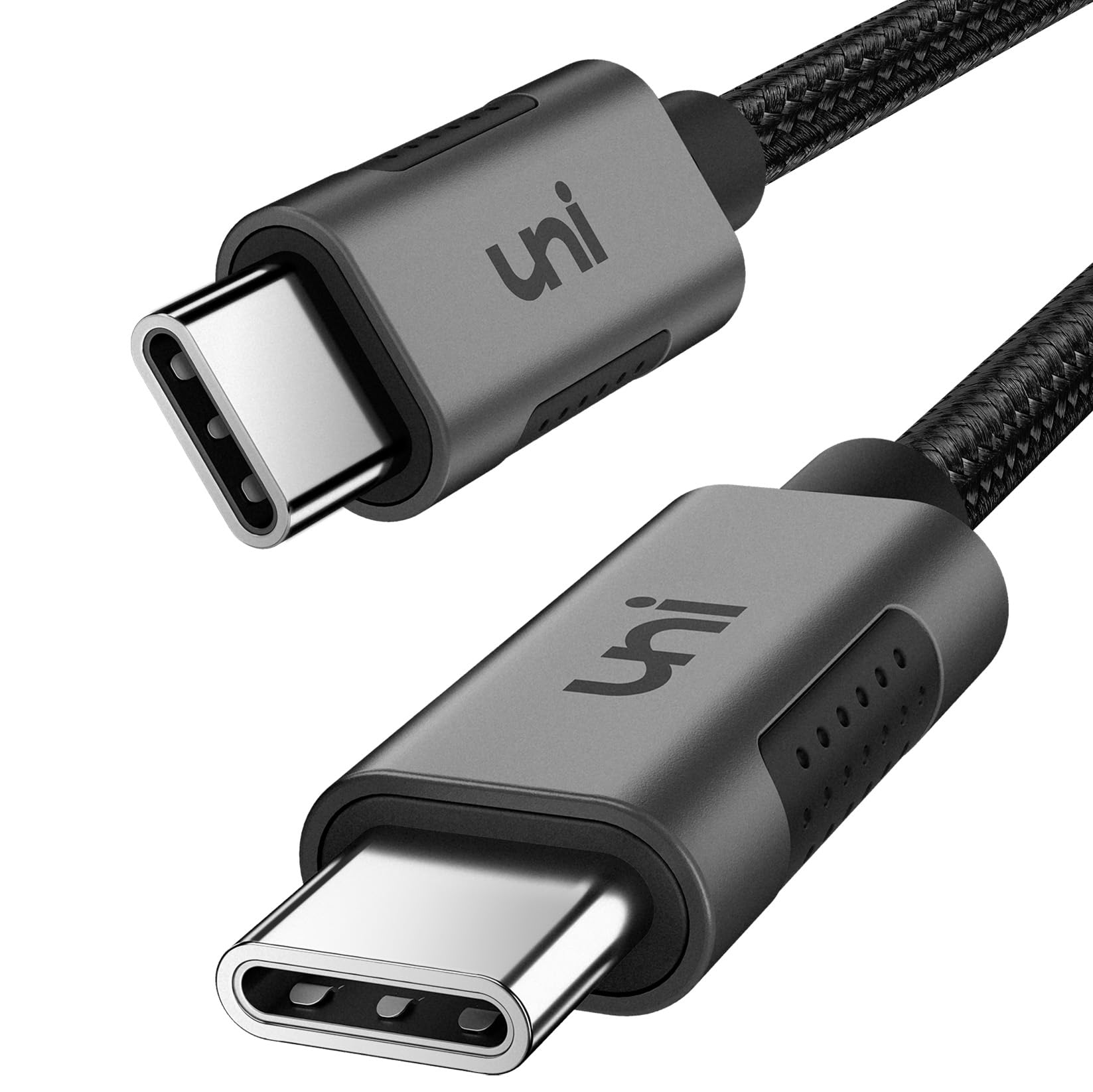
Understanding USB-C: The Ultimate Guide to Connector Versatility
USB-C, or Universal Serial Bus Type-C, is rapidly becoming the standard connector for a wide range of devices, including smartphones, laptops, tablets, and peripherals. Its sleek, reversible design allows users to plug it in either way, significantly simplifying the connection process. More importantly, USB-C supports various protocols, enabling data transfer rates of up to 10 Gbps and power delivery of up to 100 watts, which means you can charge your laptop as quickly as a phone. This versatility not only enhances user convenience but also reduces the number of cables required for your tech arsenal.
As the ultimate guide to USB-C, it's essential to explore its compatibility with previous USB standards. Unlike older USB versions, which had specific ports, USB-C can efficiently handle multiple functions, such as audio, video, and data transmission through a single cable. For instance, you can connect your laptop to an external monitor while simultaneously charging it, all through the same USB-C cable. This adaptability is what sets USB-C apart and drives its adoption across various industries, ultimately making it a vital component of modern technology.
Counter-Strike is a popular tactical first-person shooter game that has captivated gamers worldwide. Its competitive gameplay focuses on teamwork and strategy, making it a staple in the esports community. Players can also enhance their gaming setups with Top 10 MacBook Accessories for Office, which can improve their overall experience.
How USB-C Simplifies Your Gadget Connections: Benefits and Use Cases
The introduction of USB-C has revolutionized the way we connect our gadgets, making it simpler and more efficient than ever before. Unlike its predecessors, USB-C is a universal connector that supports a wide array of devices, from smartphones and laptops to tablets and cameras. This single cable can transmit data, power, and video signals, eliminating the need for multiple cables and connectors. With its reversible design, users can plug in devices without worrying about orientation, further simplifying the connection process.
Beyond convenience, the benefits of USB-C extend to practical use cases. For example, creators and tech enthusiasts can easily use USB-C hubs to connect multiple peripherals, such as external monitors, storage devices, and keyboards, all through one port. Businesses benefit from reduced clutter in working spaces and reduced costs in purchasing and managing different types of cables. Additionally, as more devices adopt this standardized connection, compatibility issues are minimized, ensuring a seamless tech experience for everyone.
Is USB-C the Future of Connectivity? Exploring Its Impact on Everyday Life
USB-C has rapidly emerged as a pivotal technology in the realm of connectivity, creating a universal solution that simplifies the way we connect devices. Unlike its predecessors, USB-C offers a reversible design that allows connection in any orientation, minimizing user frustration. This new standard is not just about aesthetics; it's a game-changer in terms of performance as well. With the capability of transferring data at lightning speeds of up to 10 Gbps and supporting power delivery of up to 100W, USB-C is poised to redefine how we charge and sync our devices.
The impact of USB-C on everyday life is already evident across multiple dimensions. From smartphones to laptops, and even household appliances, the integration of USB-C is fostering a more cohesive ecosystem. As more manufacturers adopt this technology, consumers benefit from reduced clutter and the need for fewer cables. Moreover, its versatility encourages innovation, leading to new devices and accessories designed to maximize its potential. As we look ahead, it's clear that USB-C is not just a trend; it's paving the way for the future of connectivity in our increasingly digital world.