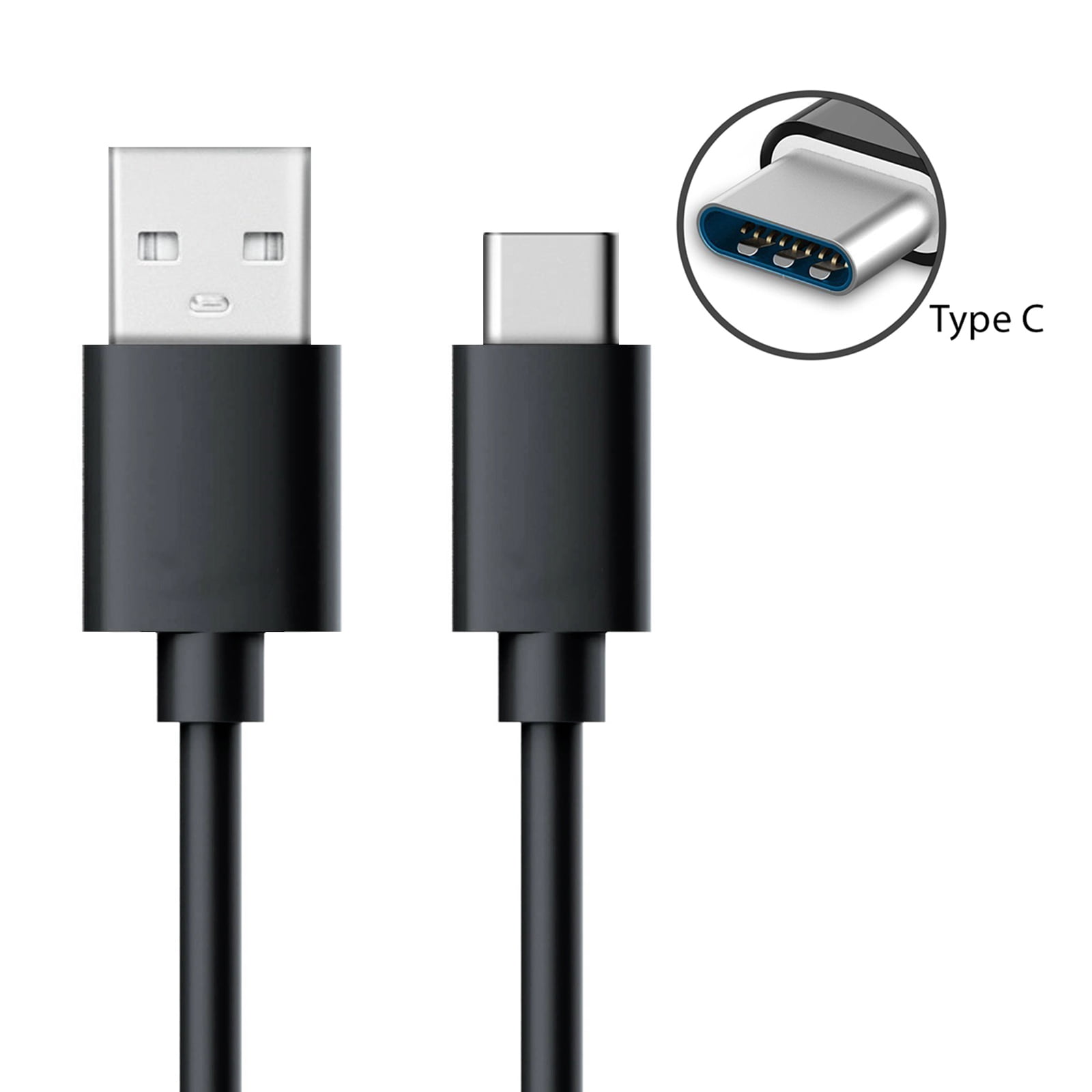
The Evolution of USB: How Type C Became the Universal Connector
The evolution of USB technology has been a remarkable journey since its inception in the mid-1990s. Initially designed to simplify connections between computers and peripheral devices, Universal Serial Bus (USB) has undergone significant transformations. The introduction of USB Type-C marked a pivotal moment in this evolution. With its reversible design and ability to deliver up to 100 watts of power, USB Type-C has emerged as a universal connector that caters to a wide range of devices, from smartphones and laptops to tablets and peripherals. Its ability to support data transfer speeds of up to 40 Gbps through USB 3.2 makes it a game-changer in the tech world.
As technology advances, the need for a versatile and efficient connector has grown, and USB Type-C has risen to meet this demand. This connector not only simplifies the user experience by eliminating the frustration of plugging it in the wrong way but also integrates multiple functionalities, such as video output and power delivery. Today, USB Type-C is being adopted across various industries, solidifying its status as the universal connector. With ongoing developments, the potential for USB Type-C to replace older standards will likely continue, paving the way for a more interconnected and efficient technological ecosystem.
Counter-Strike is a popular tactical first-person shooter game that has captivated gamers worldwide. It emphasizes teamwork and strategy while players engage in intense combat scenarios. Whether you’re a fan of the classic 1.6 version or the modern iterations like Counter-Strike: Global Offensive, the game continues to evolve and thrive in competitive gaming.
For gamers looking to optimize their device performance, it's crucial to have quality accessories. Check out the Top 10 Android Charging Cables for reliable and efficient charging solutions.
Top 5 Benefits of Using USB Type C in Your Devices
USB Type C has revolutionized the way we connect our devices, providing a universal connector that brings numerous advantages. Here are the top 5 benefits of using USB Type C:
- Reversible Design: One of the standout features of USB Type C is its reversible connector, allowing users to plug it in either way. This eliminates the frustration often experienced with older USB versions where the orientation mattered.
- Faster Data Transfer: USB Type C supports higher data transfer speeds, allowing for the quick movement of large files between devices. With speeds that can exceed 10 Gbps, it makes file sharing a breeze.
- Enhanced Power Delivery: With USB Type C, devices can deliver up to 100 watts of power, enabling faster charging for smartphones, laptops, and other devices. This results in less time tethered to an outlet and more time on the go.
- Universal Compatibility: As more manufacturers adopt USB Type C, the connector is becoming the go-to standard for various devices, including smartphones, tablets, laptops, and peripherals. This compatibility promotes convenience and reduces the number of cables and adapters you need.
- Future-Proof Technology: Investing in USB Type C means you're preparing for the future of connectivity. As technology continues to evolve, the adaptability of this connector ensures that your devices remain relevant and connected.
Is USB Type C the Future of Connectivity? Key Features to Consider
USB Type C has rapidly emerged as a leading standard in the world of connectivity, promising faster data transfer rates and versatile power delivery options. Unlike its predecessors, this connector type offers a reversible design, meaning users no longer have to worry about incorrectly inserting the plug. Its capability to handle multiple connections through a single port—from charging to video output—makes it a compelling choice for both consumers and manufacturers. As devices increasingly adopt this technology, it poses the question: is USB Type C truly the future of connectivity?
When considering whether USB Type C is the way forward, several key features warrant attention:
- Speed: USB Type C supports higher data transfer rates compared to older USB standards, with USB 3.1 offering speeds up to 10 Gbps.
- Power Delivery: This standard can deliver up to 100 watts of power, allowing for quicker charging and the ability to power larger devices such as laptops.
- Versatility: One port can handle various functions, simplifying connections and reducing cable clutter.