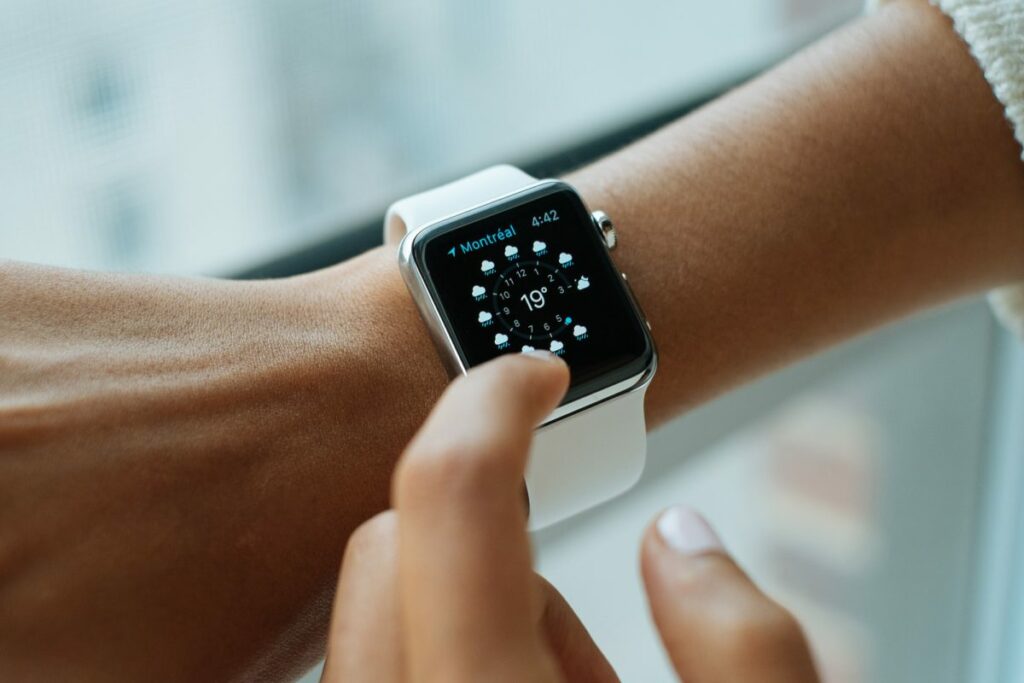
Exploring the Benefits of Wearable Tech: Is It Worth the Investment?
In recent years, wearable technology has surged in popularity, becoming an integral part of many people's daily routines. Devices like smartwatches, fitness trackers, and health monitors offer users a plethora of features designed to enhance their quality of life. One of the most significant benefits of wearable tech is its ability to provide real-time data and insights about one's health. For example, many fitness trackers can monitor heart rate, track sleep patterns, and even measure blood oxygen levels. This immediate access to personal health metrics not only promotes awareness but also encourages users to adopt healthier lifestyles through measurable goals and feedback.
Moreover, the investment in wearable technology extends beyond health tracking; it also plays a vital role in improving productivity and connectivity. Many smartwatches allow users to receive notifications, answer calls, and control their smart home devices directly from their wrist. This convenience can lead to more efficient time management and a seamless integration of technology into daily activities. Despite the initial cost of purchasing these gadgets, the long-term benefits—such as enhanced health monitoring and improved productivity—often outweigh the investment, making wearable tech not just a trend, but a valuable asset in today's fast-paced world.
Counter-Strike is a popular tactical first-person shooter game that has been captivating gamers since its release. Players are divided into two teams: terrorists and counter-terrorists, competing to complete objectives such as bomb defusals or hostage rescues. For those looking to gift something special, check out these Top 10 Tech Gifts for Women that can enhance the gaming experience.
The Future of Fitness: Can Wearable Tech Really Help You Get Fit?
As we move further into the digital age, wearable tech is becoming an essential part of the fitness landscape. Devices like smartwatches and fitness trackers monitor everything from heart rate to sleep patterns, making it easier than ever to track your fitness journey. With real-time data, users are empowered to set achievable goals, such as increasing daily steps or optimizing their workouts. Interestingly, research suggests that having this kind of technology can lead to improved motivation and adherence to exercise routines. Individuals are more likely to stick to their fitness plans when they can see measurable progress, making wearable tech a valuable partner in the pursuit of health.
However, the question remains: can wearable tech truly make a significant difference in fitness outcomes? While these devices provide insights and encourage healthy habits, it's essential to remember that they are just tools. The effectiveness of wearable tech ultimately depends on how individuals choose to use it. For example, setting specific and realistic fitness goals can enhance your experience with these devices. Users might find that combining insights from their smart devices with personalized training programs or nutritional advice yields the best long-term results. Therefore, the future of fitness may not hinge solely on technology but on how we integrate these innovations into our daily lives.
Trendy or Transformative? Debunking Common Myths About Wearable Technology
As wearable technology becomes more integrated into our daily lives, common myths often overshadow its transformative potential. Many people believe that wearables are just a passing trend, limited to fitness tracking and smartwatches. However, these devices are evolving beyond simple notifications or step counting. Innovations such as health monitoring systems that track glucose levels or heart rates in real time showcase the technology's profound impact on personal wellness management. In fact, a recent study found that individuals using wearable devices reported a significant improvement in their overall health awareness and motivation to maintain healthy habits.
Another widespread misconception is that wearable technology caters exclusively to tech-savvy users. Yet, wearables are becoming increasingly accessible and user-friendly for all demographics. With designs that prioritize ergonomics and intuitive interfaces, these devices are optimized not just for tech enthusiasts but for anyone interested in enhancing their lifestyle. According to market research, the global wearable technology market is expected to grow significantly, driven by users seeking practical and transformative applications in areas like fitness, healthcare, and productivity. At its core, wearable technology is not just about keeping up with trends but rather about embracing a future where health and efficiency become seamlessly integrated into everyday life.