Understanding the Risks: Why Public Wi-Fi is a Hacker's Playground & How a VPN Becomes Your First Line of Defense
Public Wi-Fi, while undeniably convenient, presents a veritable minefield for your personal data. Imagine a crowded park where everyone is shouting their secrets aloud; that's essentially the insecurity of unencrypted public networks. Hackers can easily intercept your communications, gaining access to sensitive information like passwords, credit card details, and even private messages. This is possible through various methods, including man-in-the-middle attacks where they position themselves between your device and the Wi-Fi hotspot, or by setting up fake hotspots designed to trick unsuspecting users. The absence of strong encryption on most public networks means your data is transmitted in plain text, making it an open book for anyone with malicious intent. Therefore, understanding these inherent vulnerabilities is the crucial first step in protecting your digital life.
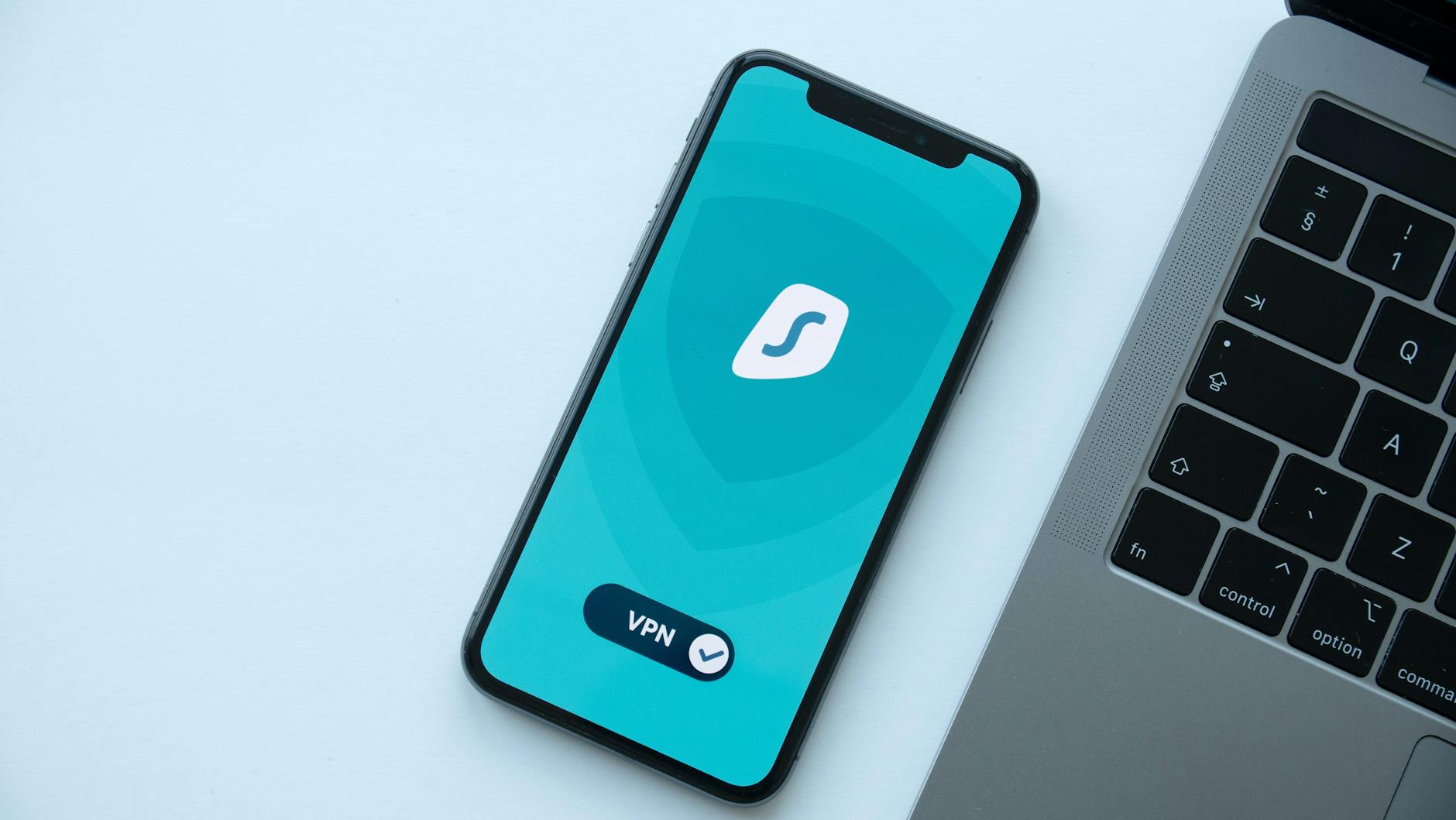
This is precisely where a Virtual Private Network (VPN) transforms from a technical jargon into your indispensable digital guardian. A VPN creates an encrypted tunnel between your device and a secure server, effectively shielding your internet traffic from prying eyes. Even if a hacker manages to intercept your data on a public Wi-Fi network, all they will see is an unreadable jumble of characters, rendering their efforts futile. Consider it a digital cloak of invisibility, allowing you to browse, bank, and communicate with peace of mind. By routing your connection through a VPN's secure servers, you not only encrypt your data but also mask your IP address, adding an extra layer of anonymity. This proactive measure elevates your online security, making a VPN your absolute first and most effective line of defense against the myriad threats lurking on public Wi-Fi.
Looking for a hassle-free way to protect your online privacy? A free VPN no signup offers instant security without the need for personal information or lengthy registration processes. Simply download and connect to enjoy anonymous browsing and access geo-restricted content.
VPNs in Action: From Connecting Securely to Dodging Data Thieves – Your Practical Guide & FAQs Answered
Beyond just a buzzword, Virtual Private Networks (VPNs) offer tangible benefits for anyone navigating the digital landscape. Imagine browsing the web, connecting to public Wi-Fi, or even streaming content without the nagging worry of your data being intercepted. This is where a VPN steps in, creating a secure, encrypted tunnel between your device and the internet. It actively masks your IP address and encrypts your traffic, making it virtually impossible for third parties – including your Internet Service Provider (ISP), government agencies, and cybercriminals – to snoop on your online activities. From safeguarding your banking details during online transactions to circumventing geo-restrictions on your favorite shows, understanding the practical applications of a VPN is crucial in today's increasingly interconnected world. We'll explore exactly how VPNs work their magic and answer your most pressing questions.
So, how do VPNs translate into everyday use? The applications are diverse and incredibly relevant for modern internet users. Consider these common scenarios:
- Public Wi-Fi Security: Every time you connect to a cafe's free Wi-Fi, you become vulnerable. A VPN encrypts your connection, protecting your sensitive information from potential hackers on the same network.
- Bypassing Geo-Restrictions: Want to access content or services only available in certain regions? A VPN allows you to virtually change your location, unlocking a world of global entertainment and information.
- Enhanced Privacy & Anonymity: Prevent advertisers from tracking your online behavior and keep your browsing habits private from your ISP.
- Secure Remote Work: For professionals, VPNs provide a secure connection to company networks, protecting sensitive business data from interception.
These are just a few examples of how VPNs actively empower users to take control of their online security and freedom. Our FAQs section will delve deeper into specific concerns and offer clear, actionable advice.