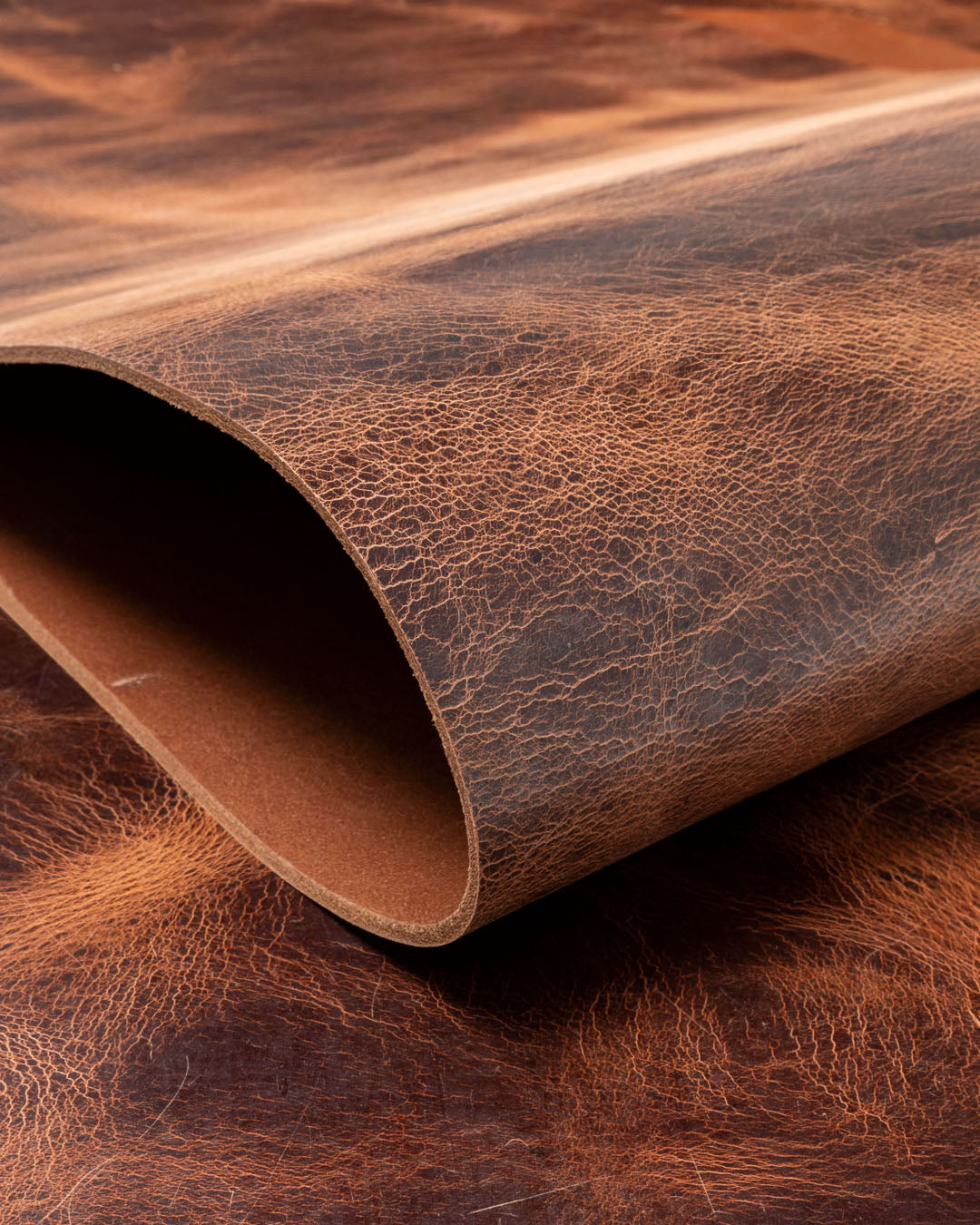
The Environmental Impact of Leather: Myths and Facts
The environmental impact of leather has long been debated, with many myths surrounding its production and use. One common myth is that leather is inherently unsustainable. In reality, the environmental footprint of leather varies significantly based on the sourcing and tanning processes employed. For instance, leather derived from animals raised for meat can be considered a byproduct of the agricultural industry, which means it uses resources that would already be utilized. Additionally, the regenerative grazing practices can enhance soil health, carbon sequestration, and biodiversity, thus challenging the notion that all leather production is detrimental to the environment.
However, it is crucial to distinguish between different types of leather and their environmental impacts. While traditional tanning methods involve toxic chemicals that can pollute waterways, modern techniques have evolved to minimize these risks. According to recent studies, eco-friendly tanning methods using vegetable-based solutions or synthetic alternatives are gaining traction, reducing the overall harm to our ecosystems. Understanding these nuances is essential when evaluating the environmental implications of leather products, as taking an informed approach can lead to more sustainable choices in both production and consumption.
Counter-Strike is a popular multiplayer first-person shooter game that pits teams of terrorists against counter-terrorists in various objective-based game modes. Players can choose from a variety of weapons and tactics to outsmart their opponents. For gamers who enjoy both fashion and functionality, check out the Top 10 Lightweight Apple Watch Bands to complement their gaming gear.
How to Care for Your Leather Goods: Tips for Longevity
Caring for your leather goods is essential to ensure they stand the test of time. One of the most important steps is to clean them regularly. Use a soft, damp cloth to wipe off any dust or dirt, and for deeper cleaning, opt for a leather-specific cleaner. Follow these steps for effective cleaning:
- Use a soft cloth to gently wipe the surface.
- Apply a small amount of leather cleaner using a clean cloth.
- Remove excess cleaner with another dry cloth.
In addition to cleaning, conditioning your leather items will keep them soft and supple. Apply a leather conditioner every 3-6 months to maintain moisture and prevent cracking. Here's how to condition your leather:
- Choose a high-quality leather conditioner.
- Use a soft cloth to apply a thin layer evenly.
- Allow it to absorb for a few minutes before buffing with a clean cloth.
Is Leather Sustainable? A Deep Dive into Ethical Fashion Choices
The question of whether leather is sustainable has garnered significant attention as consumers become more aware of the environmental impacts of their fashion choices. Leather production involves various processes, including raising livestock, tanning, and dyeing, each with its own ecological footprint. While traditional leather is often considered environmentally taxing due to the resources needed for animal husbandry and chemical use, there are alternatives emerging in the market. For instance, vegetable-tanned leather is produced using natural materials, minimizing harmful substances linked to conventional tanning methods. Furthermore, some brands are exploring innovative options like lab-grown leather and plant-based materials, which offer promising avenues for reducing the overall environmental impact of leather goods.
When evaluating the sustainability of leather, it is essential to consider the ethical implications behind its production. In contrast to fast fashion, which often prioritizes profit over sustainable practices, ethical fashion advocates for a more responsible approach, emphasizing the importance of animal welfare and environmental stewardship. Many brands now focus on transparency, ensuring that their leather is sourced from farms that adhere to humane treatment of animals. Additionally, recycling and upcycling leather products contribute to reducing waste in the fashion industry. By opting for sustainable leather options and supporting brands committed to ethical practices, consumers can make more informed decisions and help foster a more responsible fashion ecosystem.