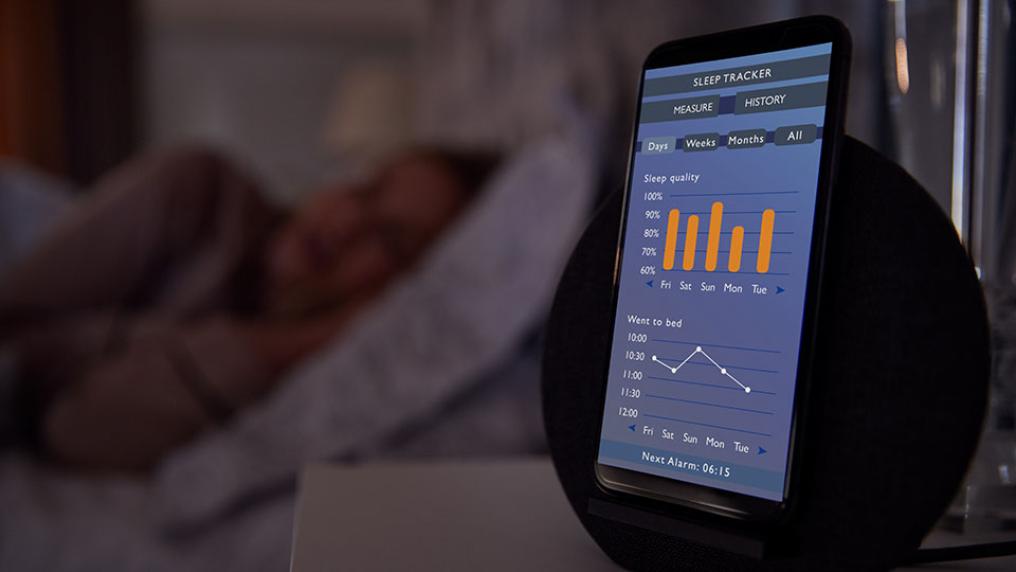
How Sleep Tracking Can Transform Your Nightly Routine
Sleep tracking has become an essential tool for those looking to optimize their nightly routines. By utilizing various technologies—from wearable devices to smartphone apps—individuals can gain valuable insights into their sleep patterns, identifying both the quality and duration of their rest. These insights can be incredibly powerful, allowing users to make informed adjustments to their schedules and habits. For instance, recognizing when you are most restless during the night might encourage you to change your bedtime or reduce screen time before sleep. By understanding your sleep trends, you can enhance your overall wellness and productivity.
Incorporating sleep tracking into your nightly routine brings about several benefits. Here are a few key transformations you might experience:
- Improved sleep quality by identifying disruptive factors.
- Enhanced mood and cognitive function due to better-rested nights.
- Increased motivation for maintaining a healthy lifestyle.
With consistent data, you can establish a more efficient bedtime ritual that prepares your mind and body for restorative sleep. Ultimately, the goal of sleep tracking is not just to monitor your sleep but to create a personalized approach that leads to profound improvements in your daily life.
Counter-Strike is a highly popular first-person shooter game that pits two teams against each other, typically terrorists and counter-terrorists, in a series of objective-based game modes. Players engage in tactical gameplay, where teamwork and strategy are crucial for success. For those looking to enhance their comfort while playing, exploring Top 10 Apple Watch Bands for Sleep can provide valuable insights.
Top 5 Benefits of Using a Sleep Tracker for Better Health
In today's fast-paced world, ensuring that you get quality sleep is essential for overall health. One of the most effective ways to improve your sleep quality is by using a sleep tracker. Here are the top 5 benefits of utilizing a sleep tracker:
- Enhanced Sleep Patterns: A sleep tracker records your sleep cycles, helping you identify patterns and make adjustments to your bedtime routine.
- Increased Awareness: Many people underestimate their sleep habits. A tracker provides crucial insights, allowing you to become more aware of how lifestyle choices affect your sleep.
Additionally, sleep trackers can significantly contribute to your overall well-being. For instance, they can:
- Monitor Sleep Disorders: If you have concerns about sleep disorders like insomnia or sleep apnea, a sleep tracker can help you and your physician identify potential issues.
- Set Personal Goals: Most trackers offer customizable goals, motivating you to achieve better sleep hygiene.
- Integrate with Other Health Data: Many sleep trackers sync with fitness apps, providing a holistic view of your health, which can aid in making better lifestyle choices.
Is Sleep Tracking Worth It? Exploring the Pros and Cons
In the age of technology, sleep tracking has become increasingly popular among health-conscious individuals. Many people invest in wearable devices or smartphone apps that promise to offer insights into their sleep patterns. The primary pros of sleep tracking include increased awareness of sleep quality and quantity, which can lead to better sleep habits. For instance, by identifying patterns such as consistent wake-up times or the impact of late caffeine consumption, individuals can make informed adjustments to enhance their rest. This data-driven approach not only fosters a greater understanding of personal health but can also motivate users to prioritize sleep as a critical aspect of overall well-being.
However, there are also notable cons associated with sleep tracking that warrant consideration. Many users report feeling anxious or stressed about the data provided, leading to a paradox where the very tool designed to promote healthy sleep may inadvertently disrupt it. Additionally, the accuracy of various sleep tracking devices can vary significantly, resulting in potential misinterpretations of sleep quality. Some individuals may find themselves caught in a cycle of over-analyzing their sleep metrics, which could do more harm than good. Ultimately, whether or not sleep tracking is worth it depends on personal needs, preferences, and the ability to balance technology with intuitive understanding of one’s own body.