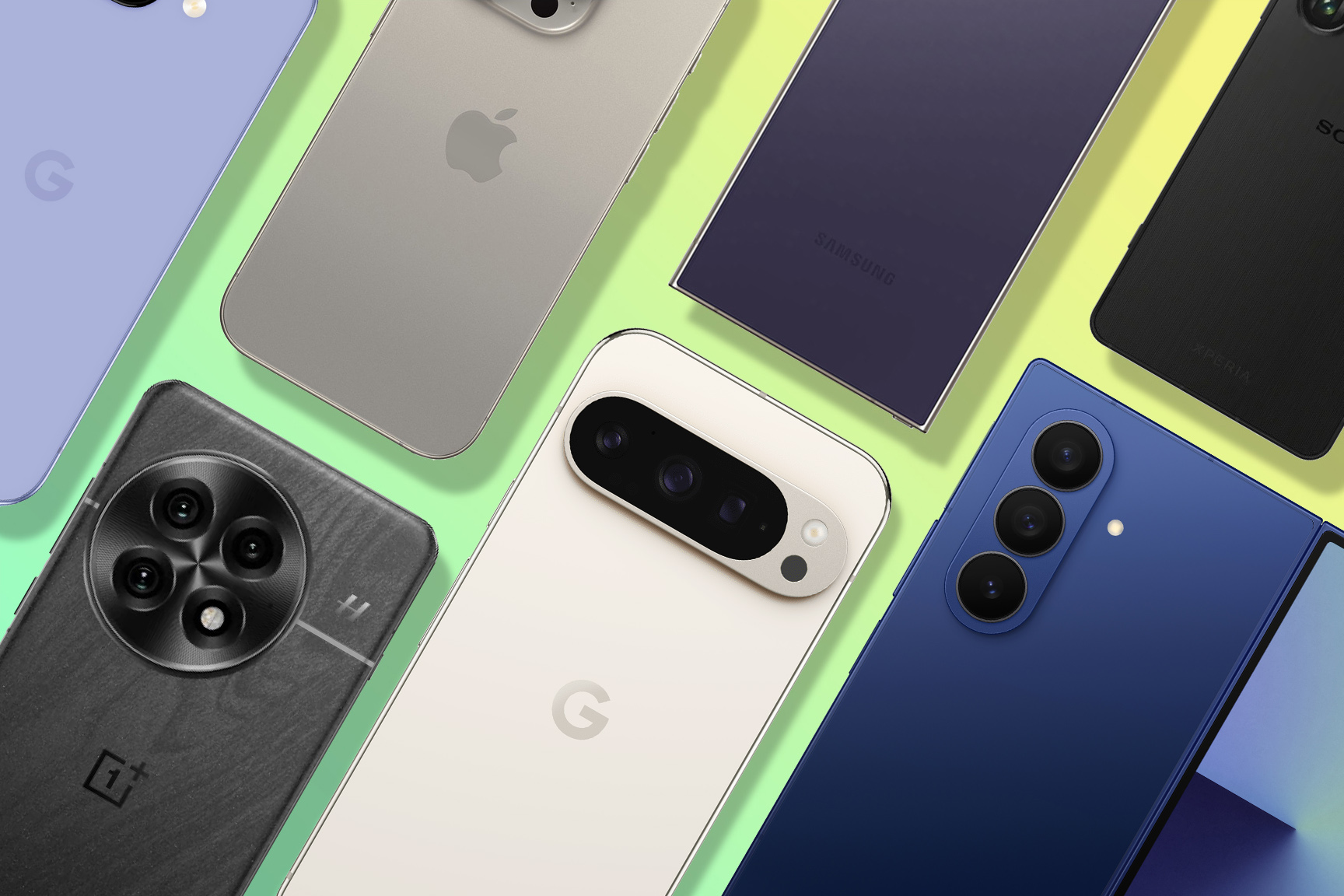
The Hidden Impact of Smartphones on Our Daily Lives
Smartphones have become an inseparable part of our daily lives, seamlessly integrating into our routines and altering how we communicate, work, and even think. While their benefits are evident—such as instant access to information and improved connectivity—the hidden impact of smartphones is often overlooked. For instance, studies indicate that excessive smartphone use can lead to decreased attention spans, making it more challenging to concentrate on tasks at hand. This phenomenon is commonly referred to as the “distraction effect”, where constant notifications fragment our focus and diminish productivity.
Moreover, the psychological effects of smartphones should not be underestimated. The allure of social media and the need for validation can lead to increased levels of anxiety and stress. According to research, smartphone addiction can manifest as a compulsive urge to check notifications or scroll through feeds, which may disrupt our mental well-being and relationships. As we continue to navigate this digital landscape, it is crucial to develop strategies for mindful smartphone use, ensuring that we harness their benefits while mitigating their impact on our lives.
Counter-Strike is a popular multiplayer first-person shooter game that pits teams of terrorists against counter-terrorists in various missions. Players can choose to play different game modes and utilize a range of weapons and strategies to achieve their objectives. If you're looking to enhance your gaming experience, you might also be interested in the Top 10 One Hand Grips for iPhone, which can help with mobile gaming.
Are Smartphones Making Us Smarter or More Deceptive?
In today's fast-paced digital world, the ubiquity of smartphones has sparked a debate about their impact on our cognitive abilities. While some argue that these devices are making us smarter by providing instant access to information, educational apps, and connectivity to vast resources, others contend that they promote a form of intellectual laziness. With endless information at our fingertips, many users may become reliant on quick searches rather than developing critical thinking skills. This reliance can lead to a superficial understanding of content, where depth is sacrificed for convenience.
Moreover, the rise of social media and various communication platforms has transformed the way we interact. While smartphones facilitate immediate connection and collaboration, they also foster an environment prone to miscommunication and deception. Misinformation spreads rapidly, and users may find it challenging to discern fact from fiction. As we navigate this digital landscape, it's crucial to ask whether we are becoming more deceptive in our interactions or if we are simply victims of the information overload created by our devices. Ultimately, the question remains: are smartphones enhancing our intellect, or are they blurring the lines of honesty and clarity in communication?
How to Identify and Manage Smartphone Deception in Your Life
In today's digitally-driven world, it's crucial to identify the ways in which smartphones can deceive us. Many users are unaware of the psychological tactics employed by apps and notifications designed to capture our attention. Observing your smartphone usage can reveal patterns of distraction that often lead to wasted time and decreased productivity. To effectively manage this deception, individuals should start by tracking their screen time and identifying specific apps that contribute to negative behavioral patterns. This awareness can empower users to make informed decisions about their smartphone habits.
Once you've identified the deceptive influences of your smartphone, the next step is to implement strategies to manage them effectively. Consider utilizing built-in features such as Do Not Disturb modes or app usage limits to curb unnecessary distractions. Additionally, engaging in activities that promote mindfulness, such as journaling or meditation, can help mitigate the pull of technology on our daily lives. By fostering a healthier relationship with our devices, we can reclaim our time and focus, ultimately leading to a more fulfilling and productive existence.