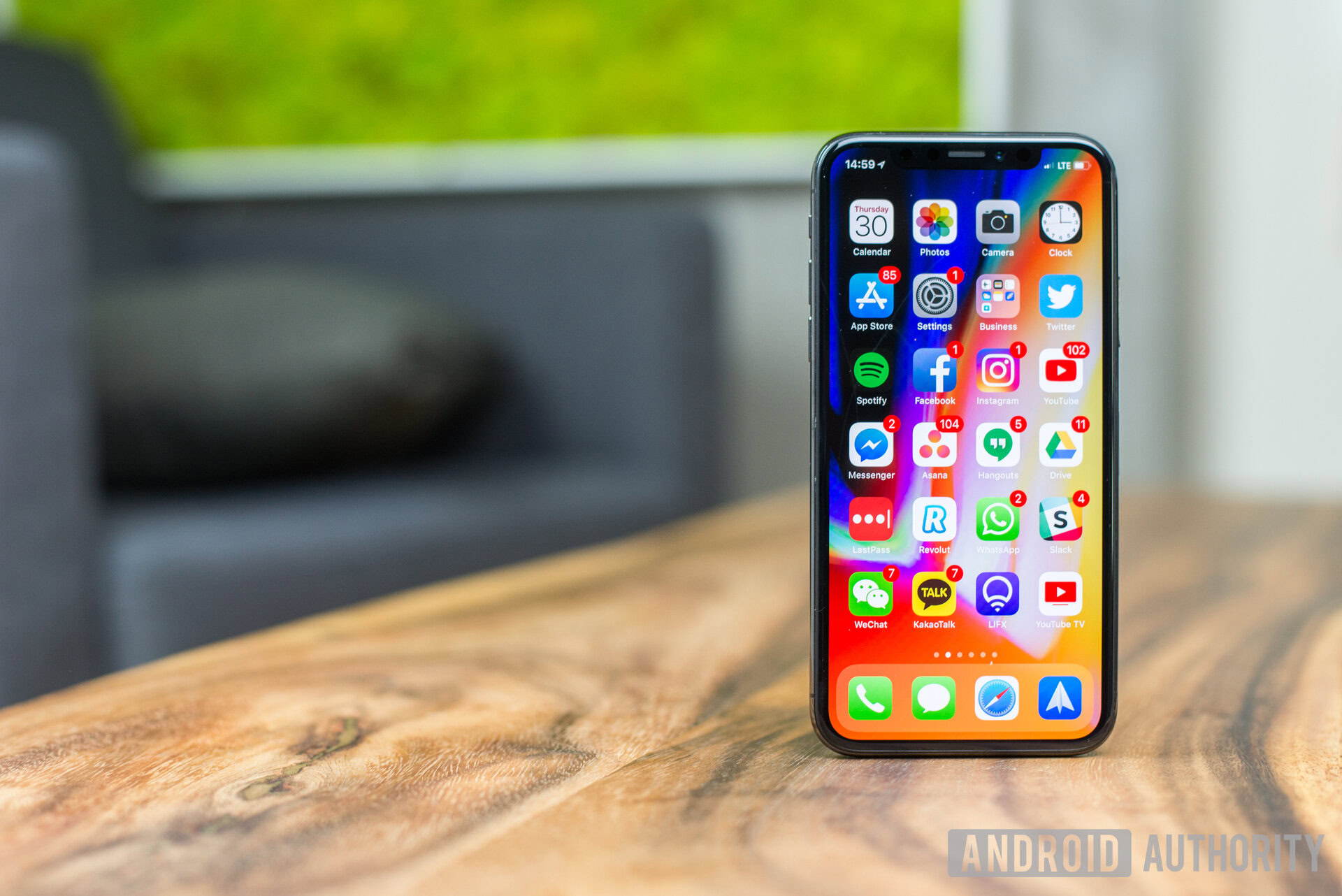
How Smartphones Revolutionized Communication and Connectivity
The advent of smartphones has undeniably revolutionized communication and connectivity in ways previously unimaginable. In a world where instant communication is a necessity, smartphones serve as multifunctional devices that facilitate seamless interaction through text messaging, voice calls, and video conferencing. Today, platforms like WhatsApp and Zoom allow us to connect with anyone across the globe within seconds, fostering relationships and collaboration like never before. According to recent studies, over 3.8 billion people use smartphones worldwide, highlighting their crucial role in transforming how we communicate.
Moreover, smartphones have bridged the gap between people by integrating social media and communication tools into a single device. This integration has led to the rise of social connectivity, where users can share updates, photos, and videos instantly. A recent report indicates that approximately 90% of smartphone users engage with social media platforms daily, showcasing a shift in how we interact in our personal and professional lives. The impact of smartphones on communication is profound, enabling real-time connections and fostering communities that transcend geographical boundaries.
Counter-Strike is a highly popular tactical first-person shooter game that has captivated millions of players around the world. It emphasizes teamwork and strategy, requiring players to work together to complete objectives or eliminate opponents. The game has spawned various editions and updates since its inception, including Top 10 Samsung Galaxy Ultra Accessories that enhance the gaming experience for mobile players.
The Science Behind Your Smartphone: What Makes It a Supercomputer?
Today, smartphones are ubiquitous, and many people don't realize that the device they hold in their hand is more powerful than some supercomputers from just a few decades ago. This transformation is largely thanks to advancements in semiconductor technology, which allows for incredibly compact and efficient processors. Modern smartphones typically feature multi-core processors with speeds that can exceed 2.5 GHz, enabling them to perform billions of calculations per second. This processing power, combined with significant improvements in RAM and storage technology, allows smartphones to handle complex tasks such as high-definition video playback, augmented reality applications, and sophisticated gaming, making them the portable computing powerhouses they are today.
Additionally, smartphones utilize advanced graphics processing units (GPUs) that cater to the demands of modern applications and mobile games, enhancing visual performance and enabling real-time rendering. The integration of machine learning capabilities allows these devices to offer personalized experiences, from voice recognition to smart photo enhancements. Furthermore, the rise of cloud computing supports smartphones in executing tasks that were previously only feasible on larger systems, effectively transforming them into mini supercomputers. As a result, what was once a simple communication tool has evolved into an essential device for work, entertainment, and everyday life.
Are Smartphones Making Us Smarter or Just More Distracted?
In today's digital age, smartphones have become integral to our daily lives, offering a wealth of information at our fingertips. These devices have revolutionized the way we access knowledge, enabling us to learn about various topics instantly and connect with experts worldwide. Studies suggest that smartphones can enhance our cognitive functions, allowing us to multitask more efficiently and manage our time better. For instance, applications that promote learning and skill development can contribute to our educational growth. However, the question remains: are we truly becoming smarter or merely adapting to a new way of consuming information?
On the flip side, the pervasive presence of smartphones can lead to significant distractions. Notifications from social media, games, and messaging apps can interrupt our focus, making it difficult to engage deeply with our tasks. According to research, the constant barrage of information can hinder our ability to concentrate and retain knowledge. Moreover, the tendency to rely on our devices for quick answers can foster a lack of critical thinking and problem-solving skills. This duality raises a pertinent concern: while smartphones offer tools for learning, they also challenge our capacity for independent thought and focus, ultimately prompting us to reflect on whether they are making us smarter or simply more distracted.